What Is Regenerist Living and Why Bother?
We didn’t set out to coin a term. We set out to live differently — and the word regenerist found us. What does it actually mean to live regeneratively, and why does it matter right now?
There is a moment many of us have had. You are standing at the recycling bin, rinsing out a can, and somewhere in the back of your mind a voice whispers — does this even matter? You compost your scraps, you bring your own bag, you choose the thing with less packaging. And yet the world outside your kitchen window looks about the same as it did yesterday. The problems are enormous. You are one person. The math doesn’t seem to add up.
That feeling is not apathy. It is not laziness. It is something more honest than either of those — it is the exhaustion of caring deeply in a world where the results of your caring are invisible, delayed, or shared with people you will never meet. It is what happens when good people lose the thread between their actions and their impact.
And so, quietly, gradually, without even deciding to, many of us go complacent. Not because we stopped caring. But because we lost the connection between what we do and why it matters.
This article is for you. Whether you have been living regeneratively for twenty years or you are hearing that word for the first time today, you are in the right place. The GreenLife Project is not here to hand you a checklist or tell you everything you are doing wrong. We are ordinary people, all somewhere along the same road, learning from each other and from the very real mistakes we make along the way.
We are here to offer something simpler than a solution. We are here to offer a lens.
What Is a Regenerist?
The word regenerate comes from Latin — re, meaning again, and generare, meaning to bring into being. To regenerate something is not merely to maintain it or slow its decline. It is to restore life where life has been lost.
A Regenerist, then, is someone who has taken that as their orientation — not as a credential, not as a label, but as a daily practice and a way of seeing the world. You do not have to be an expert. You do not need acreage or a certification or a perfect track record. You need only the willingness to ask, in each area of your life, a single quiet question:
Am I depleting this — or am I restoring life here?
Ask it of your soil. Ask it of your skin. Ask it of the relationship sitting across the dinner table from you. Ask it of the community you move through every day. Ask it of yourself.
That question is not a checklist. It is a lens. And once you begin to see through it, you cannot quite unsee.
Notice what a Regenerist is not. It is not the next version of sustainable, or eco-conscious, or green — though it contains all of those. Sustainability, at its best, tries to stop the bleeding. Regeneration heals the wound. Where sustainability asks how do we do less harm, regeneration asks how do we restore what has been lost? That is a fundamentally different question, and it leads somewhere fundamentally different.
An industry is beginning to form around this word. Products will carry it. Certifications will define it. Consultants will charge for it. That is fine — the world needs regenerative agriculture and regenerative business and regenerative policy. But none of that is what we are talking about here.
We are talking about ordinary people. We are talking about you.
What Does Regenerist Living Look Like?
It looks like a lot of things, because it touches every area of life.
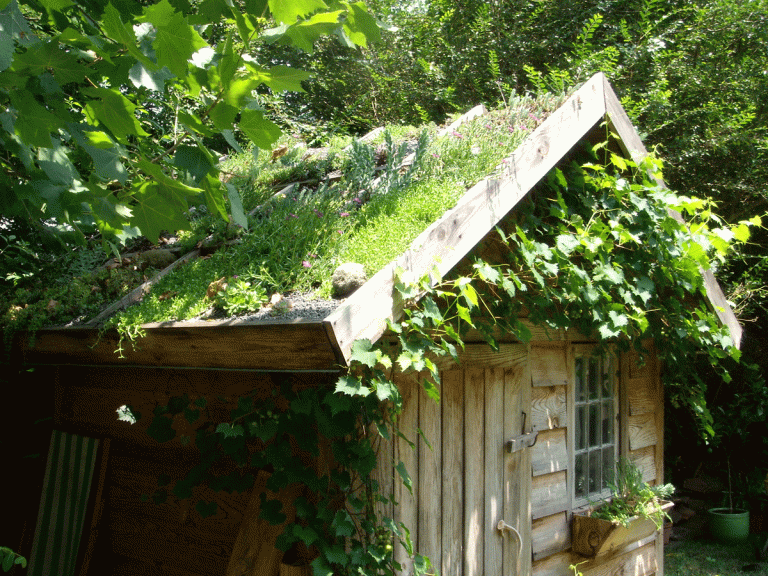
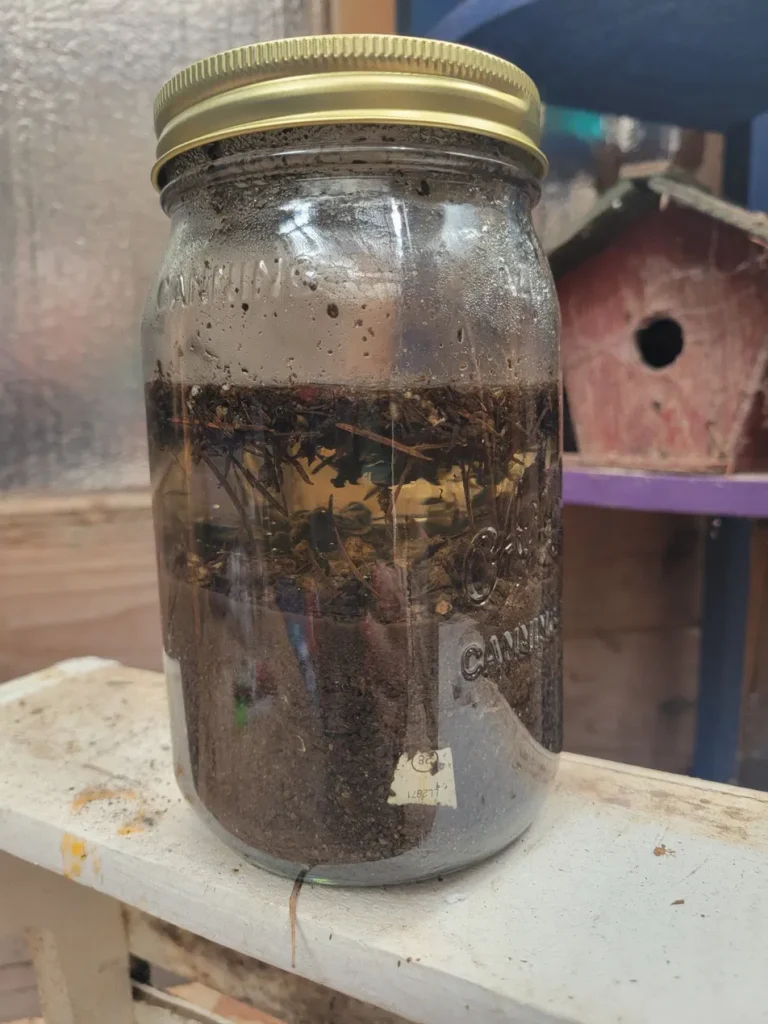
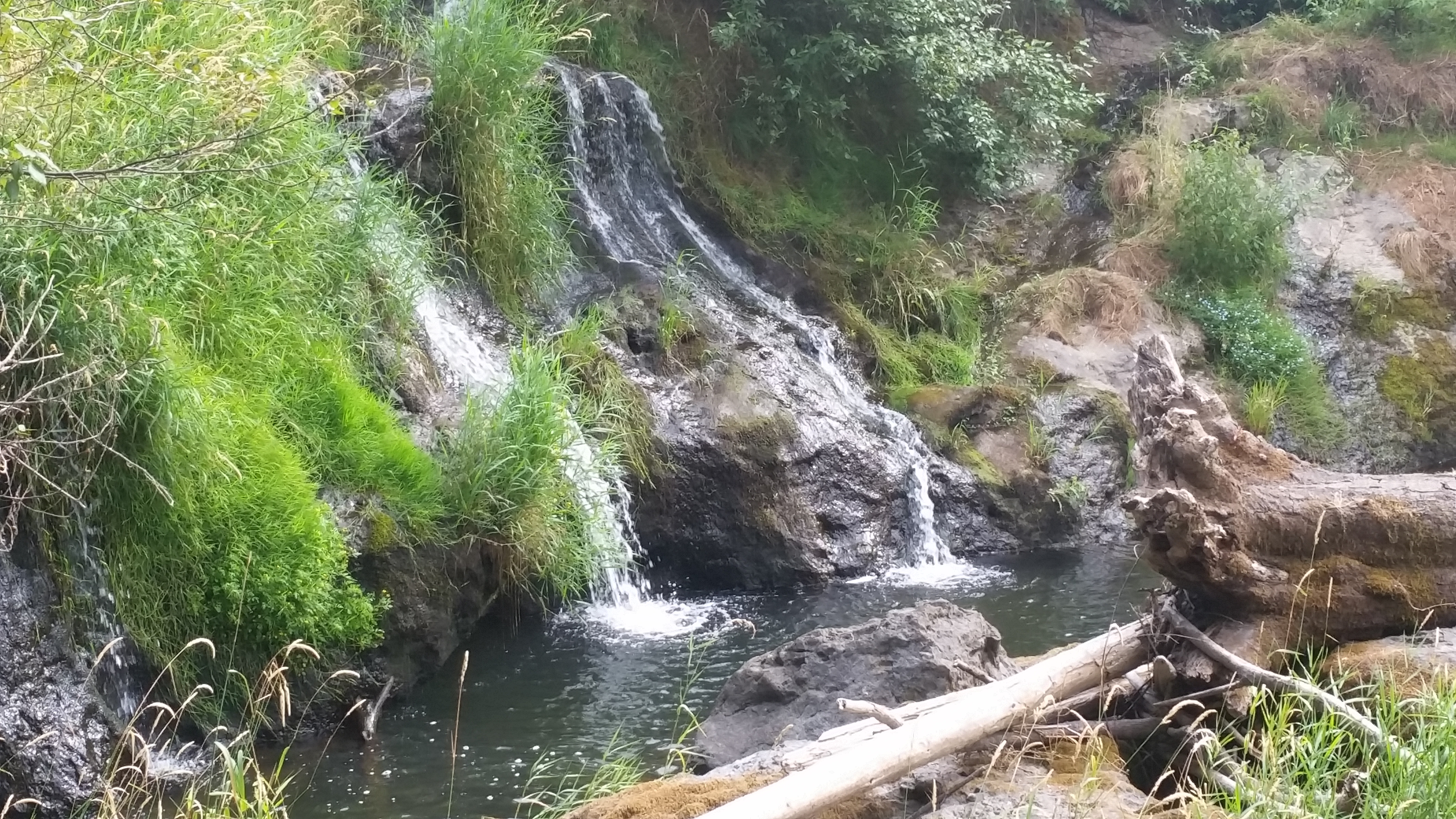
It looks like the land. A farmer rebuilding topsoil that took centuries to form. A backyard gardener who stopped using herbicide and watched, slowly, with something like wonder, as the bees came back. A family that started a compost pile and discovered that scraps become soil, that endings become beginnings. The science here is extraordinary — healthy soil sequesters carbon, holds water, supports biodiversity, feeds communities. The land wants to recover. A Regenerist works with that wanting.
It looks like the body. What we put on our skin and into our bodies is part of the same conversation. Are the products we use extractive — stripping, depleting, built on chemistry that harms — or are they life-giving? A Regenerist begins to ask that question at the pharmacy, at the grocery store, in the bathroom cabinet. The body is an ecosystem too.
It looks like how we raise our children. Every time we hand a child a seed and tell them to put it in the dirt, we are doing something regenerative. Every time we let them get muddy, every time we teach them that the living world is not something to be afraid of or managed from a distance, we are raising the next generation of people who know, in their bones, that they belong to something larger than themselves. That is no small thing.
It looks like our relationships. This may be the most overlooked dimension of regenerative living. Extractive relationships — transactional, one-sided, depleting — are the human equivalent of monoculture. They produce for a while and then they collapse. Regenerist relationships are built on reciprocity, on genuine care, on leaving people more alive after being with you than before. That is a practice. It requires attention and it requires courage.
It looks like community. Last summer, a local supply store began handing out single-use plastic water bottles during the hot months. They were being generous. They were trying to take care of their customers. And they were, without meaning to, part of a problem that is filling oceans and outlasting generations. A Regenerist notices that. Not with judgment, but with a quiet, steady awareness. They bring their own bottle. They have the gentle conversation. They model something different, not to be right, but because they can see the connection between that small moment and something much larger.
It looks like our inner life. Burnout is extraction. The relentless pace of modern life depletes the very soil of the self — the attention, the presence, the capacity for wonder that regenerative living promotes or even elevates. Rest is not laziness. Stillness is not waste. A Regenerist tends their own inner life the way a good farmer tends the land — with patience, with care, with an understanding that fallow seasons are part of the cycle.
Regenerist Living is not the province of the expert or the activist or the person with forty acres and a tractor. It is for the person rinsing out the can at the kitchen sink. It is for the parent reading a label. It is for anyone who has ever felt that quiet whisper — this matters, I just can’t quite see how — and chose to keep going anyway.
We are all somewhere on the road. The farmer who has been doing this for two decades and the person who is hearing the word Regenerist for the first time today are part of the same community. We are learning from each other. That is the point.
The Cost of Looking Away
Here is the honest part.
Complacency is comfortable. The single-use bottle is convenient. The conventional product is cheaper. The hard conversation can wait. And nothing terrible happens today because you chose the easier thing. The world looks more or less the same tomorrow morning.
But something does happen. It is quieter than a consequence and slower than a result. It is the gradual distance that grows between who you are and who you know you could be. It is the dream — the one that brought you to care about any of this in the first place — fading, not dramatically but incrementally, the way a fire goes out when nobody tends it.
The real cost of complacency is not paid by the planet in the abstract. It is paid by you, in the private currency of a life that feels smaller than it could. The feeling of being too small to matter becomes, over time, a self-fulfilling prophecy. Not because it was ever true. But because you stopped acting as though it wasn’t.
What You Actually Want
Underneath the concern for soil and oceans and the next generation, underneath the guilt and the overwhelm and the recycling bin and the rinsed-out can, there is something simpler and more human.
You want to matter. You want to belong to something real. You want to look the people you love in the eye — the ones here now and the ones not yet born — and know that you lived as though their lives were worth protecting. You want to feel the aliveness of being genuinely connected to the living world, not managing it from a distance but actually in relationship with it.
That is not an environmental goal. That is a human longing. And it is already in you. It was there before you read this article. It is why you are here.
Why Bother
Because the actions are simple, even when they are not easy.
Bringing your own bottle is simple. Having the gentle conversation is simple. Starting the compost pile is simple. Choosing the product that restores instead of depletes is simple. None of it requires expertise. None of it requires perfection. All of it requires showing up, again and again, in small ways that feel invisible, in service of something you cannot quite see yet but know is real.
The GreenLife Project does not have all the answers. We are not here to hand you a finished map. We are here because we are on the same road you are on, making mistakes, learning from each other, tending the things in our lives that need tending. We are ordinary people who have decided that our choices are not too small to matter — and who find, in that decision, a community of others who have decided the same thing.
The dream you carry — of a life that matters, of a world that is alive, of being part of something larger than yourself — that dream is not naive. It is not too late. And you do not have to pursue it alone.
The GreenLife Project is a community of ordinary people practicing Regenerist Living — across the land, the body, the family, the relationships, and the inner life. We are all along the way. Come as you are. Start where you are.
We are learning. Come learn with us.