Your Lawn Is Lying to You
It looks alive — green, tidy, healthy. But to a bird, a bee, or a butterfly, the average lawn is a desert. The good news: a dead yard can come roaring back to life faster than you’d believe, and you don’t have to give up your whole yard to do it.
Here’s an uncomfortable truth about that nice green lawn: it’s one of the emptiest places in your whole neighborhood. It looks lush, but a clipped monoculture of turfgrass feeds almost nothing. No caterpillars, so no baby birds. No flowers, so no bees. To the wildlife that used to live where your house now stands, a lawn is a parking lot that happens to be green.
And there’s a lot of it. The United States grows about 44 million acres of lawn — an area the size of New England — and most of it is, in the bluntest ecological terms, dead space. That’s the bad news. The wonderful news, the part this whole issue is built around, is that it doesn’t have to stay that way. The same patch of dead dirt and turf can become a tiny, humming wildlife refuge. And you don’t need acreage or a degree. You need a few plants and a change of mind.
Why native plants are the whole ballgame
If you remember one thing, remember this: insects can only eat the plants they grew up with. Over thousands of years, local bugs evolved to feed on local plants — and they never learned to eat the ornamentals we shipped in from other continents. A yard full of pretty foreign plants is, to a native caterpillar, a room full of plastic food.
And caterpillars are the hinge the whole food web swings on. It takes hundreds of them to raise a single clutch of baby chickadees. No native plants means no caterpillars, which means no songbirds, no matter how many feeders you hang. When you plant natives, you’re not just decorating — you’re switching the lights back on for the entire web: bug, bird, and everything above and below them.
The ecologist Doug Tallamy gave this a name and a dream: Homegrown National Park. His math is staggering — if Americans converted just half their lawns to native plantings, we’d create more habitat than most of the national parks in the lower 48 combined. Not by an act of Congress. By a nation of people each fixing one yard.
“A lawn is a parking lot that happens to be green. The fix is a few plants and a change of mind.”
Five moves that bring a yard back
It connects to everything else
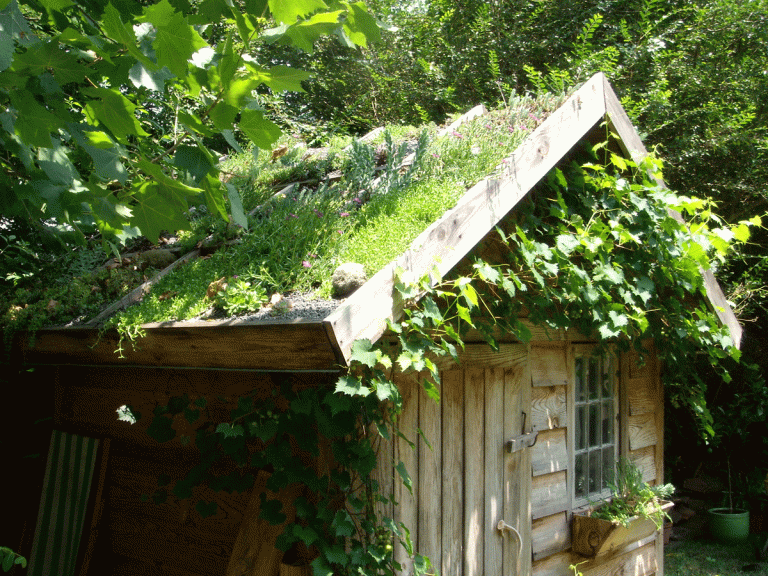
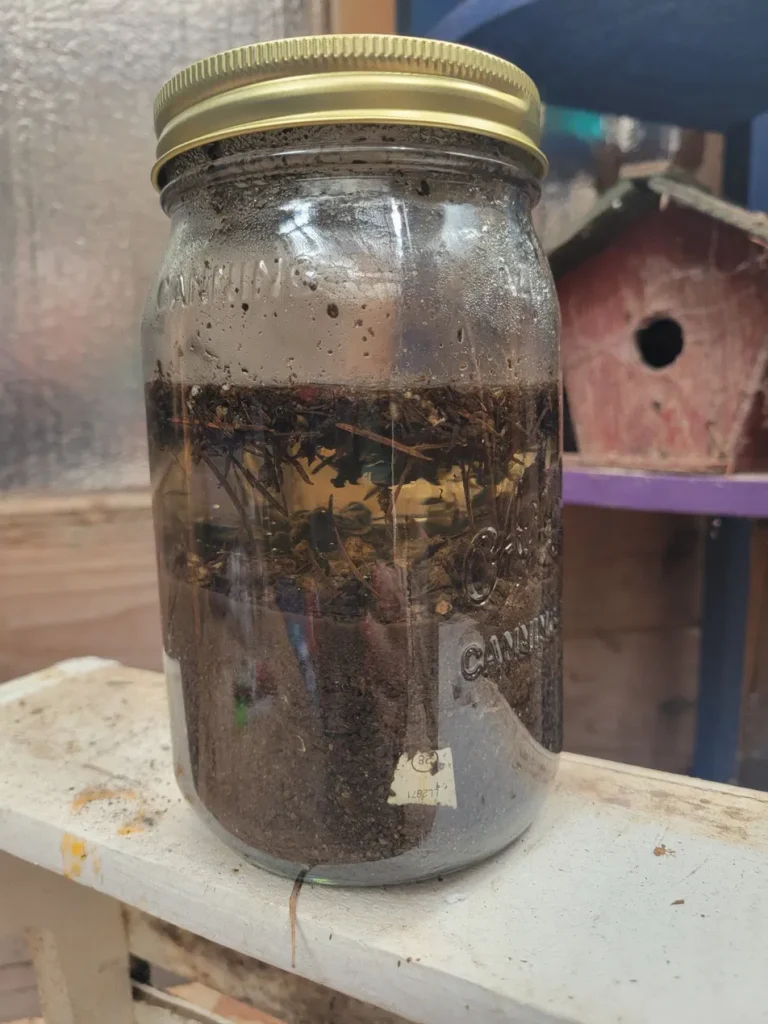
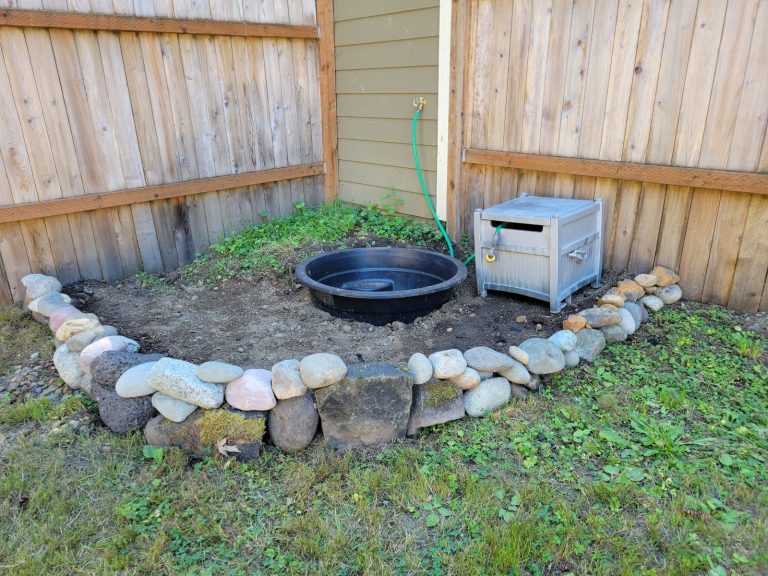
This is the thread running through the whole June issue. Living soil (our cover story) grows the native plants. Those plants feed the insects. The insects feed the birds — the same birds you can house with a nest shelf and a mud station. And a green roof, even on a tiny building, adds one more patch to the map. It’s all one system, and your yard is a piece of it. The only question is whether your piece is alive or empty.
You don’t have to fix it all this weekend. Pull up one square of lawn. Plant one native. Set out one dish of water. Leave one corner messy. That’s how a Homegrown National Park gets built — not all at once, but one small, stubborn act of life at a time.